Tales from the Road [4Q 2025]

![Tales from the Road [4Q 2025]](https://storage.ghost.io/c/c5/42/c542fd80-d61c-4144-8adb-b3f1eb6a05c5/content/images/size/w2000/2026/03/aruba-seafood.jpeg)
Quarterly Updates from Ambassadors of the Association
ARUBA (Gerald Kock)
Savaneta Seafood Festival: A Model for Community-Led Food Touri sm in Aruba
The inaugural Savaneta Seafood Festival, held on September 28, 2025, by Fundación Savaneta Prome Capital, marked a significant moment in Aruba’s culinary and cultural calendar. In the island’s first capital, seaside streets were transformed into a pedestrian-only celebration where food, music, and heritage came together as a powerful expression of local identity. Attracting an estimated 6,000 visitors, the festival demonstrated strong demand for authentic, community-driven experiences among both residents and travelers.
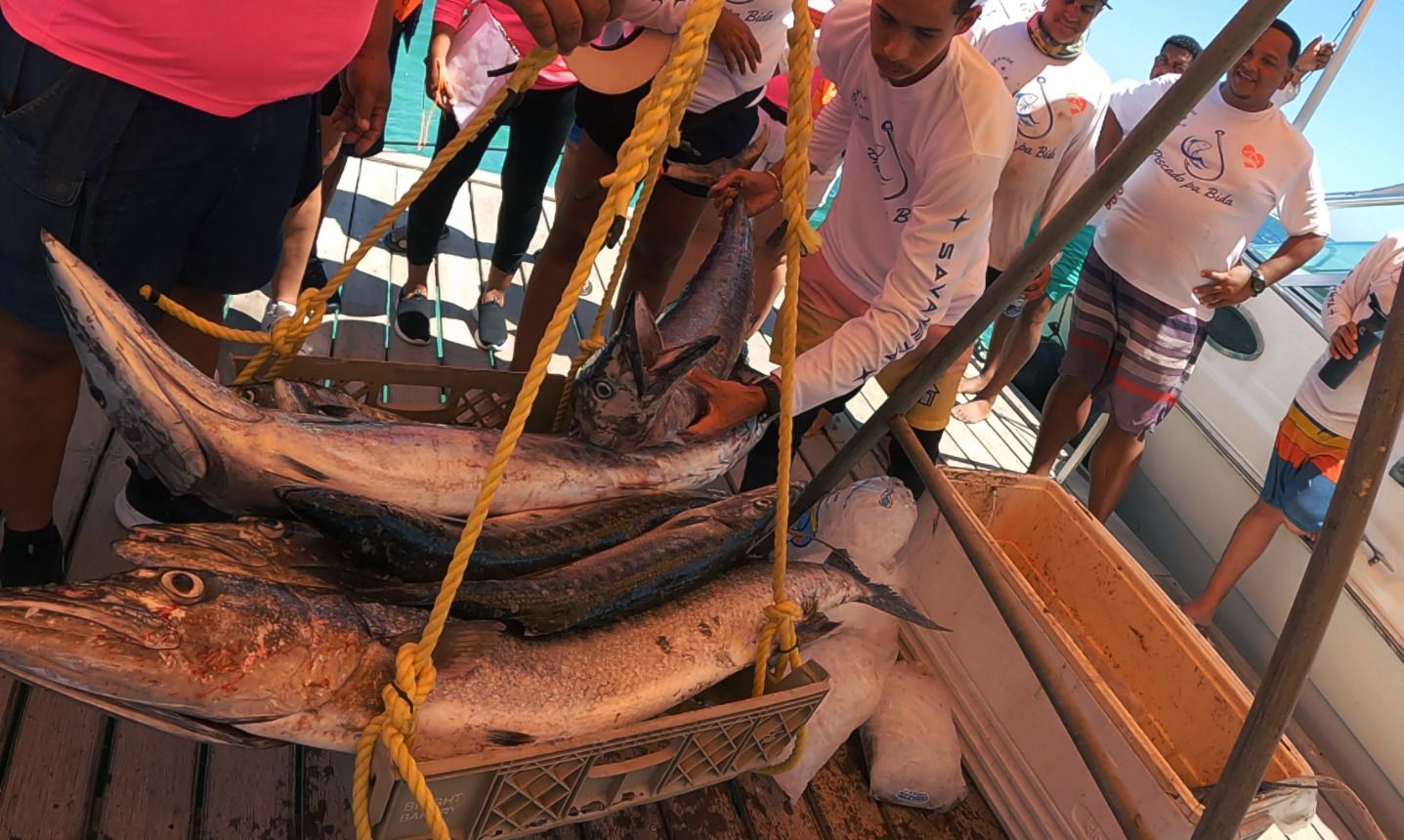
Central to the event was an “Ocean-to-Plate” revival. Twenty-four local vendors showcased seafood such as snails, conch, shrimp, and lobster, prepared using traditional family recipes and fresh local herbs. The festival also revived a local fishing tournament for the first time in 40 years. Approximately 30 boats and 100 fishermen landed a collective catch of 880 kg, reinforcing the connection between sea, community, and tradition. Part of the catch was donated and grilled on-site by local chefs, allowing visitors to experience the full journey from ocean to plate - a powerful symbol of sustainability, generosity, and shared pride.
Beyond gastronomy, the festival elevated local culture and entrepreneurship through art, crafts, and music, positioning Savaneta as a living example of how cultural heritage and economic opportunity can thrive together.
From the perspective of Food Tourism Ambassadors for the World Food Travel Association, the festival offers a replicable framework for Aruba’s future: a model in which each district expresses its distinct identity through food, storytelling, and place-based experiences. The Savaneta Seafood Festival stands as proof that culinary heritage can strengthen community resilience and support sustainable tourism. More than a single event, it presents a compelling vision of how small places can achieve meaningful global impact through food.
SLOVENIA (Rasto Kirn)
Maribor’s Ancient Vine and Culinary Legacy
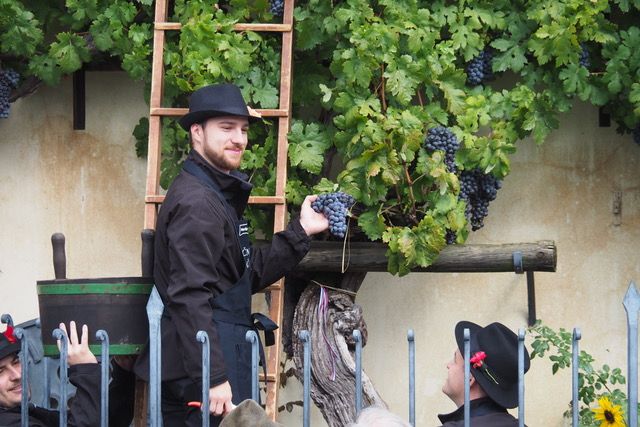
As a native of Maribor, I invite you to the heart of Slovenia’s Podravje wine region, home to the world’s oldest living vine. This 450-year-old Žametovka, growing along the banks of the Drava River, was certified by Guinness World Records in 2004. Remarkably resilient, it has survived Ottoman sieges, World War II bombings, and the phylloxera plague, thanks to its riverside roots and the dedicated stewardship of Maribor’s vintners. Its endurance reflects Slovenia’s culinary heritage, shaped by centuries of Habsburg influence and expressed through dishes such as potica and the layered Štajerska gibanica.
Each September, Maribor honors this living symbol during the Festival Stare trte, now in its 25th year. The month-long celebration culminates on 28 September with a ceremonial harvest, when vintners from nearby Malečnik hand-pick approximately 68 kilograms of grapes, producing 50 liters of wine reserved for diplomatic gifts. The event takes place on Lent, Maribor’s historic riverfront, in front of the House of the Old Vine, restored in 2007 as a center for Slovenia’s winemaking heritage. Nearby tastings and exhibitions further immerse visitors in the region’s viticultural story.
The harvest is both a cultural and culinary celebration, bringing together Slovenian wine queens, European wine orders, international guests, and representatives from towns connected to the Old Vine. Market stalls feature local specialties such as potica, artisanal cheeses, handmade pasta, and smoked meats, paired with wines from family-run vineyards. Folk music and traditional dances complete an atmosphere that reflects Maribor’s deep connection between land, food, and community.
For food and wine travelers, Maribor’s Old Vine offers more than history; it provides an authentic gateway to Slovenia’s culinary culture. From festive markets to intimate cellar tastings, the city invites visitors to experience flavors rooted in tradition yet open to innovation. Maribor stands as a compelling destination for culinary explorers seeking meaning, heritage, and a sense of place.