Essence of Moroccan Cuisine

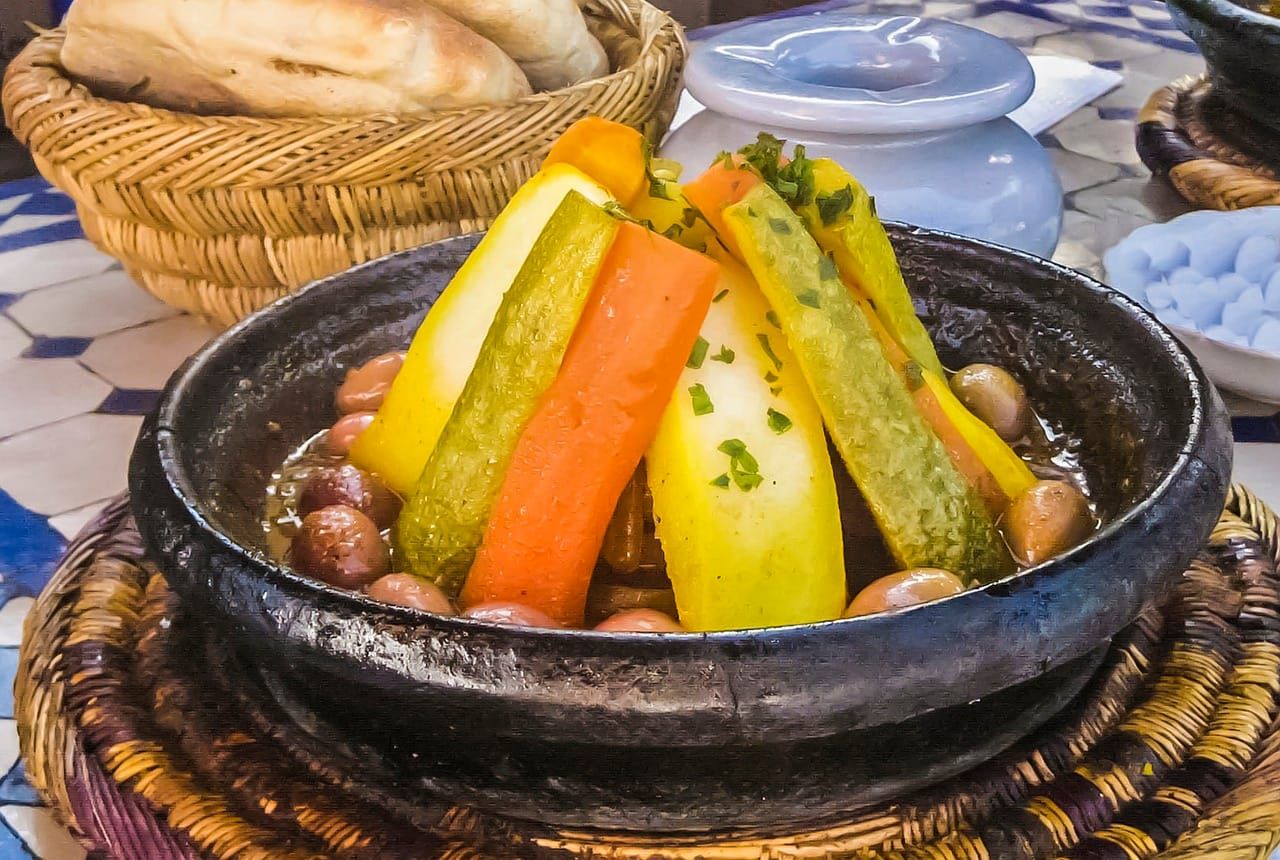
In this episode of Tales from the Road, we learn about Moroccan cuisine. It should not be missed by those wishing to immerse themselves in it. In this cuisine journey, we will discover some of the exotic local foods that every visitor should try while in Morocco.
Moroccan cuisine is known for its vast spices and flavors. All meals have their own concept, and every ingredient is chosen to complement the others. They are fundamental to Moroccan cuisine, adding depth to slow-cooked meats or even the smell of couscous.
Must-Try Dishes in Morocco
1. Tagine
Tagine is the best dish known to date. It is a slow-cooked stew and takes the name of the clay pot in which it is prepared. Tagines can be made with any meat, but some of the most popular recipes are for chicken, lemon, olive or lamb, prunes, and almonds. Slow cooking cooperates with the ingredients, resulting in a fragrant dish.
2. Couscous
It is another substantial dish, usually served with vegetables, meat, or chicken. In the classical method of preparation, couscous is steamed inside a steamer and eaten on Fridays after the second prayer of the day.
3. Pastilla
If you like foods with a sweet taste, you should definitely try Pastilla. It is a meat pie with pigeon or chicken separated by pieces of almond, egg, and cinnamon. It is a flaky pastry with phyllo dough topped with a layer of powdered sugar. It is one of the Moroccan food dishes that is somewhere between savory and sweet.
4. Harira
Last but not least, there’s the famous Moroccan soup, Harira, made with lentils, chickpeas, and tomatoes. This thick and satisfying soup is commonly consumed during the holy month of Ramadan to break the fast and is often accompanied by dates and bread.
From the Coast to the Mountains: Regional Flavors
1. Coastal Cuisine
Cities along Morocco’s coast, like Tangier and Casablanca, have seafood staked in the spotlight. Grilled or baked with spices and lemon, fresh fish and shellfish often show the natural ocean flavors. Tangier is home to some of the best beaches in Morocco that offer seafood full of the rich bounty of the Mediterranean and Atlantic Oceans. Whether you are dining seaside and looking out at the view or exploring the fish markets, you can experience the relationship that these regions have with the sea.
2. In land and Amazigh-Inspired Cuisine
From there on, as you head in land between the Atlantic Mountains and the desert, the cuisine becomes more rustic and hearty. This is the region of the Amazighs, and it focuses on wholesome, simple ingredients such as grains, legumes, and preserved meats.
3. A Taste of Regional Diversity
Regional diversity is obvious in bustling cities. In Marrakech, the food is heavily spiced, with African ingredients such as cumin, cinnamon, and paprika. Jemaa el-Fnaa, the city's famous night market, is a great place to try a variety of street foods, such as meat, baked meats, and vegetables seasoned with bark food seasoning.
Moroccan cuisine is a living extension of a nation's cultural heritage. Whether it's the aromatic spices and hearty dishes or refreshing drinks and fresh seafood, you will always have options. A food-loving journey through Morocco in an immersive local culture will satisfy your taste buds.
Cuisine in Morocco will stick in your memory, whether you’re eating a tagine at the beach, pastilla in a busy city, or having mint tea in the mountains.